
Preventive & General Dentistry
Scaling and Root Planing in Sycamore, IL
A thorough deep cleaning that fights gum disease at its source at Sycamore Dentistree.
When gum disease progresses beyond what a routine cleaning can address, scaling and root planing is the next step. At Sycamore Dentistree in Sycamore, IL, we perform this deep cleaning treatment with precision and care — removing harmful bacteria and giving your gums the best chance to heal.

Comprehensive and Gentle Dentistry Under One Roof
Scaling and Root Planing at Sycamore Dentistree
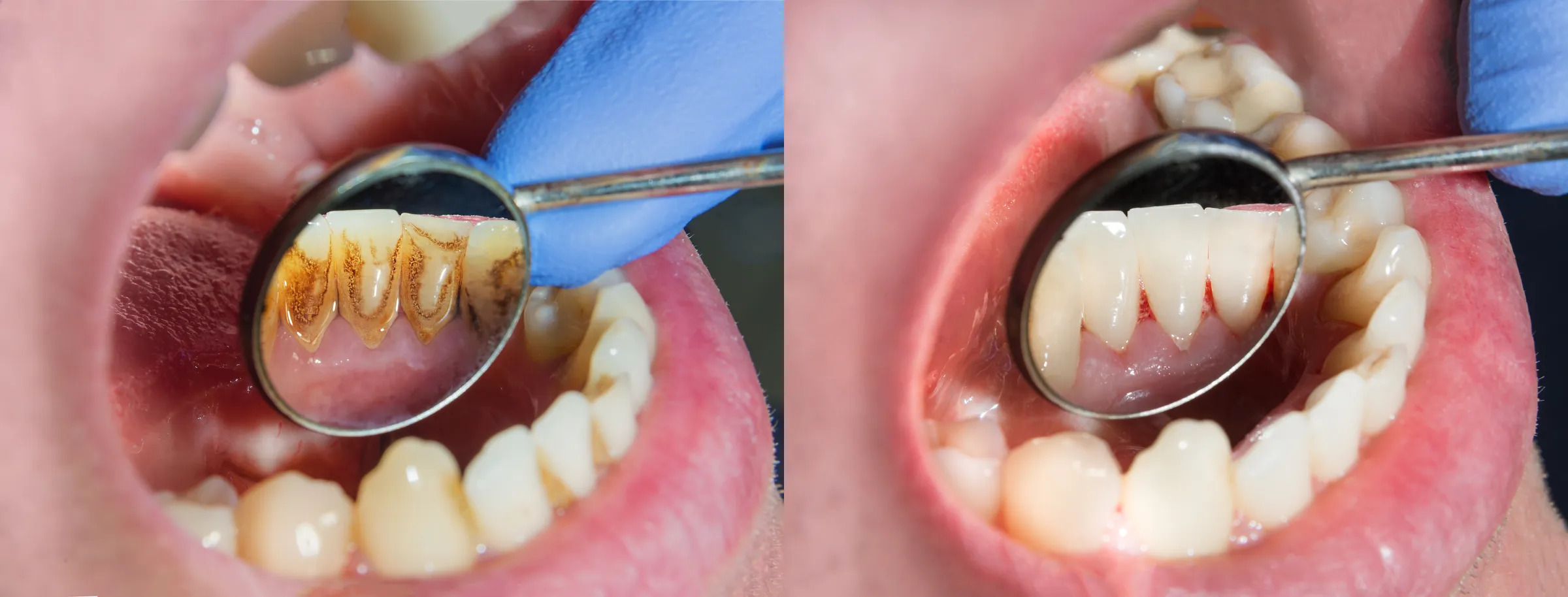
Scaling and root planing is the gold standard non-surgical treatment for gum disease. It goes well beyond a routine cleaning, targeting the bacterial buildup that has accumulated beneath the gumline and on the root surfaces of your teeth — the areas that cause pockets to deepen and bone to break down.
What the Procedure Involves
The treatment is typically done in sections over one or two appointments, with local anesthetic to keep you comfortable throughout.
- Scaling We use specialized instruments to carefully remove plaque and tartar from tooth surfaces above and below the gumline, including inside the periodontal pockets.
- Root Planing We smooth the root surfaces of your teeth to remove bacterial toxins and create a clean surface that gum tissue can reattach to.
- Follow-Up Evaluation We schedule a follow-up visit several weeks later to measure pocket depths and assess how well your gums are healing.
What to Expect After Treatment
Some tenderness and minor swelling in the days following treatment is normal. Your gums may be sensitive to temperature for a short while. Most patients find the recovery very manageable. We will give you specific aftercare instructions and recommend any rinses that can support healing.
What Comes After Scaling and Root Planing?
Once your gums have healed, most patients transition to a periodontal maintenance schedule — typically every three to four months. This ongoing care is essential for keeping gum disease under control and preventing it from progressing further.

Scaling and Root Planing FAQ
- Is scaling and root planing painful?
- We use local anesthetic to numb the area being treated, so you should not feel pain during the procedure. Afterward, some tenderness and sensitivity is normal and typically resolves within a few days.
- How long does the procedure take?
- Most patients are treated in two appointments, with half the mouth addressed at each visit. Each session typically takes one to two hours depending on the severity of the disease.
- How is this different from a regular cleaning?
- A routine cleaning removes plaque and tartar above the gumline in a healthy mouth. Scaling and root planing goes deep beneath the gumline to address the bacteria causing active gum disease — it is a treatment, not just a cleaning.
- How will I know if I need this treatment?
- We measure your gum pocket depths at every exam. Pockets deeper than 4mm that show signs of infection typically indicate a need for scaling and root planing. We will explain our findings and recommendations clearly.
- What should I do after the procedure?
- Stick to soft foods for a day or two, avoid very hot or cold items if you have sensitivity, and follow any rinse or medication instructions we provide. Gentle brushing and flossing can resume the same day.
- Will my gums grow back after treatment?
- Scaling and root planing helps gum tissue reattach to cleaned root surfaces, which can reduce pocket depths. However, gum tissue that has been lost due to advanced disease does not fully regenerate on its own.
- How many times will I need this treatment?
- For many patients, one course of scaling and root planing followed by consistent periodontal maintenance is enough to manage the disease long-term. Some cases may require additional treatment if pockets remain deep after healing.
- Can gum disease come back after treatment?
- Yes, which is why ongoing periodontal maintenance every three to four months is so important. Regular follow-up care prevents bacteria from rebuilding to harmful levels.
- Is there an alternative to scaling and root planing?
- For mild gum disease, improved home care and more frequent routine cleanings may be sufficient. For moderate to severe cases, scaling and root planing is typically the most effective non-surgical option before considering surgery.
- Does insurance cover scaling and root planing?
- Most dental insurance plans cover scaling and root planing as it is a medically necessary treatment. Coverage varies, and we can help you verify your benefits ahead of your appointment.