

Surgical & Specialty
TMJ Treatment in Sycamore, IL
Relief for Jaw Pain, Headaches, and Clicking.
If you wake up with jaw pain, hear clicking when you chew, or deal with chronic headaches that seem to have no clear cause, your temporomandibular joint (TMJ) may be the culprit. At Sycamore Dentistree, Dr. Neglia has experience diagnosing and treating TMJ disorders with conservative, effective solutions designed to get you out of pain.
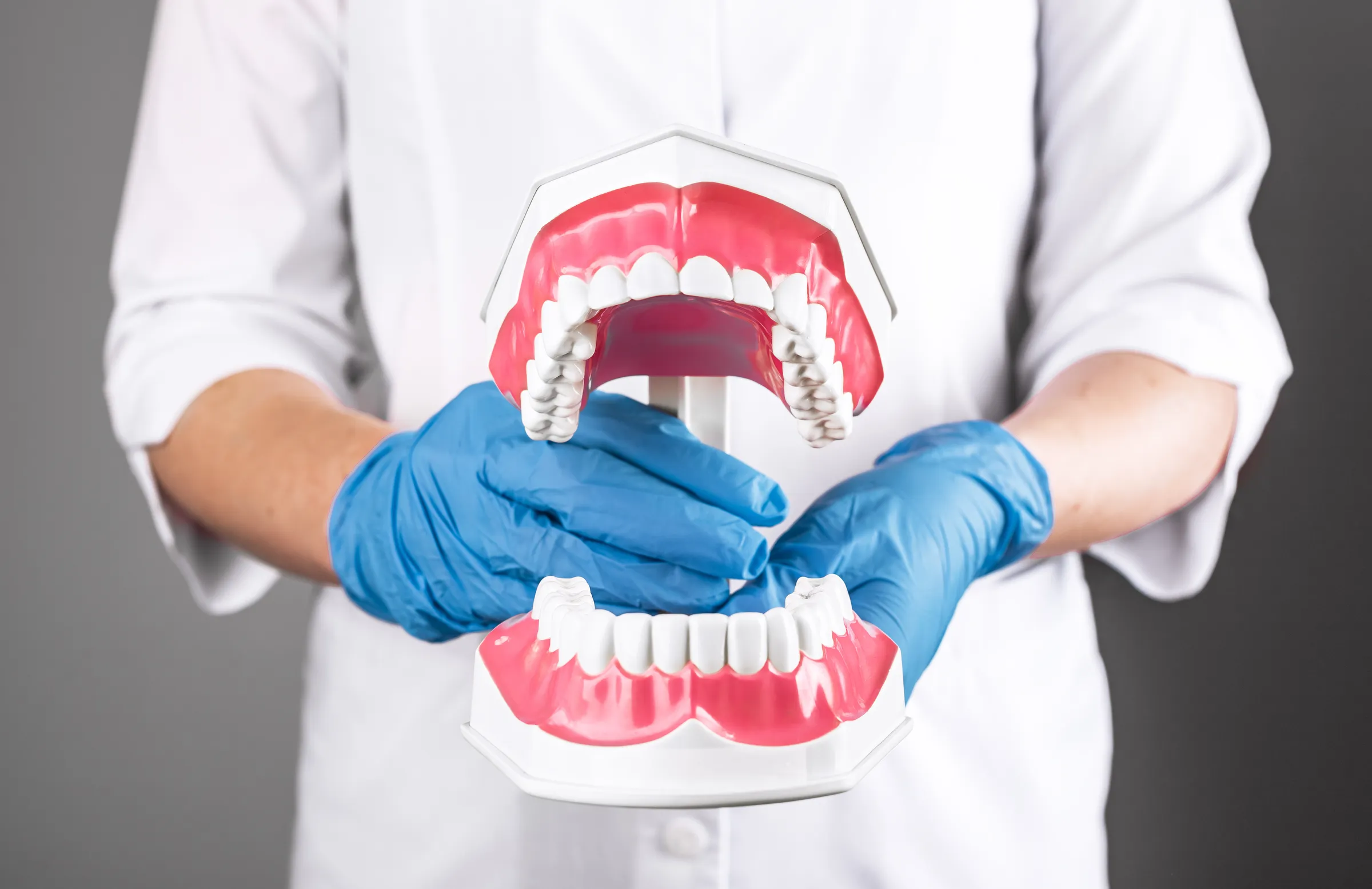
Comprehensive and Gentle Dentistry Under One Roof
TMJ Treatment at Sycamore Dentistree
The temporomandibular joint connects your jawbone to your skull and acts like a sliding hinge every time you talk, chew, or yawn. When this joint becomes inflamed or the surrounding muscles are overworked — often from clenching, grinding, or a misaligned bite — it can cause a range of painful symptoms. TMJ disorders (also called TMD) affect millions of people, yet many go undiagnosed for years. At Sycamore Dentistree, we take jaw pain seriously and start with the most conservative treatments before ever considering invasive options.
Common Signs of a TMJ Disorder
Symptoms vary widely from person to person, which is why TMD is so often missed. If any of these sound familiar, mention them at your next visit.
- Jaw pain or soreness Especially in the morning after sleeping or after long meals.
- Clicking or popping Sounds when opening or closing your mouth, with or without pain.
- Headaches Tension headaches originating near the temples or behind the eyes.
- Ear pain or fullness Pain near the ears without any ear infection present.
- Limited jaw movement Difficulty opening wide or jaw locking temporarily.
How We Treat TMJ Disorders
Our first approach is always non-invasive. For most patients, a custom night guard is highly effective — it prevents clenching and grinding during sleep, takes pressure off the joint, and allows the muscles to relax and heal over time. We may also recommend jaw exercises, posture adjustments, and lifestyle changes to reduce flare-ups. For more complex cases, Dr. Neglia can coordinate with your physician or a specialist to ensure you get comprehensive care.
You Do Not Have to Live With the Pain
Too many patients assume jaw pain is just something they have to tolerate. It is not. With the right treatment plan, most TMJ patients experience significant relief within weeks. The sooner we identify what is driving your symptoms, the faster and more completely we can address them. Come in, tell us what you are feeling, and we will figure it out together.

TMJ Treatment FAQ
- What does TMJ stand for?
- TMJ stands for temporomandibular joint — the hinge joint connecting your lower jaw to your skull, located just in front of each ear. When people say they have “TMJ,” they typically mean they have a temporomandibular disorder (TMD), which refers to problems with this joint and the muscles that control jaw movement.
- What causes TMJ disorders?
- Common causes include teeth grinding (bruxism), jaw clenching from stress, arthritis in the joint, a misaligned bite, jaw injury, and disc displacement. Often it is a combination of factors rather than one single cause.
- Can TMJ problems go away on their own?
- Mild cases sometimes resolve with rest and reduced jaw strain — avoiding hard or chewy foods, not clenching your teeth, and managing stress. However, moderate to severe cases typically require treatment to prevent the condition from worsening over time.
- What is a night guard and how does it help?
- A night guard is a custom-fit oral appliance you wear while sleeping. It creates a barrier between your upper and lower teeth to prevent grinding and clenching, and it slightly repositions your jaw to reduce stress on the TMJ. Most patients notice significant relief within a few weeks of consistent use.
- Is the night guard from the dentist better than a store-bought one?
- Yes, significantly. Over-the-counter guards are generic in size and can actually make symptoms worse by causing your jaw to position incorrectly. A custom appliance from our office is made from precise impressions of your teeth and fit to your specific bite.
- How long does TMJ treatment take?
- Many patients feel relief within two to four weeks of wearing a night guard consistently. Full resolution of symptoms may take a few months, particularly if muscle tension has built up over years. We monitor your progress and adjust the treatment plan as needed.
- Can stress make TMJ worse?
- Absolutely. Stress is one of the most common triggers for jaw clenching and bruxism, which in turn inflames the TMJ. Stress management techniques — exercise, sleep, and mindfulness — can meaningfully reduce flare-ups alongside dental treatment.
- Will I need surgery for my TMJ?
- The vast majority of TMJ patients never need surgery. Conservative treatments like night guards, physical therapy exercises, and bite adjustments resolve symptoms in most cases. Surgery is only considered after all non-invasive options have been exhausted.
- Can children have TMJ disorders?
- Yes. Children and teenagers can develop TMD, often related to teeth grinding or jaw injuries. If your child complains of jaw pain, headaches, or difficulty chewing, let us know at their next appointment.
- Does insurance cover TMJ treatment?
- Coverage varies. Some dental plans cover a portion of night guard fabrication, and some medical plans may cover TMJ-related treatment. We will help you check your benefits before we begin.