

Restorative & Orthodontics
Interceptive Orthodontics in Sycamore, IL
Catching alignment issues early in children means less treatment — and better outcomes — later at Sycamore Dentistree.
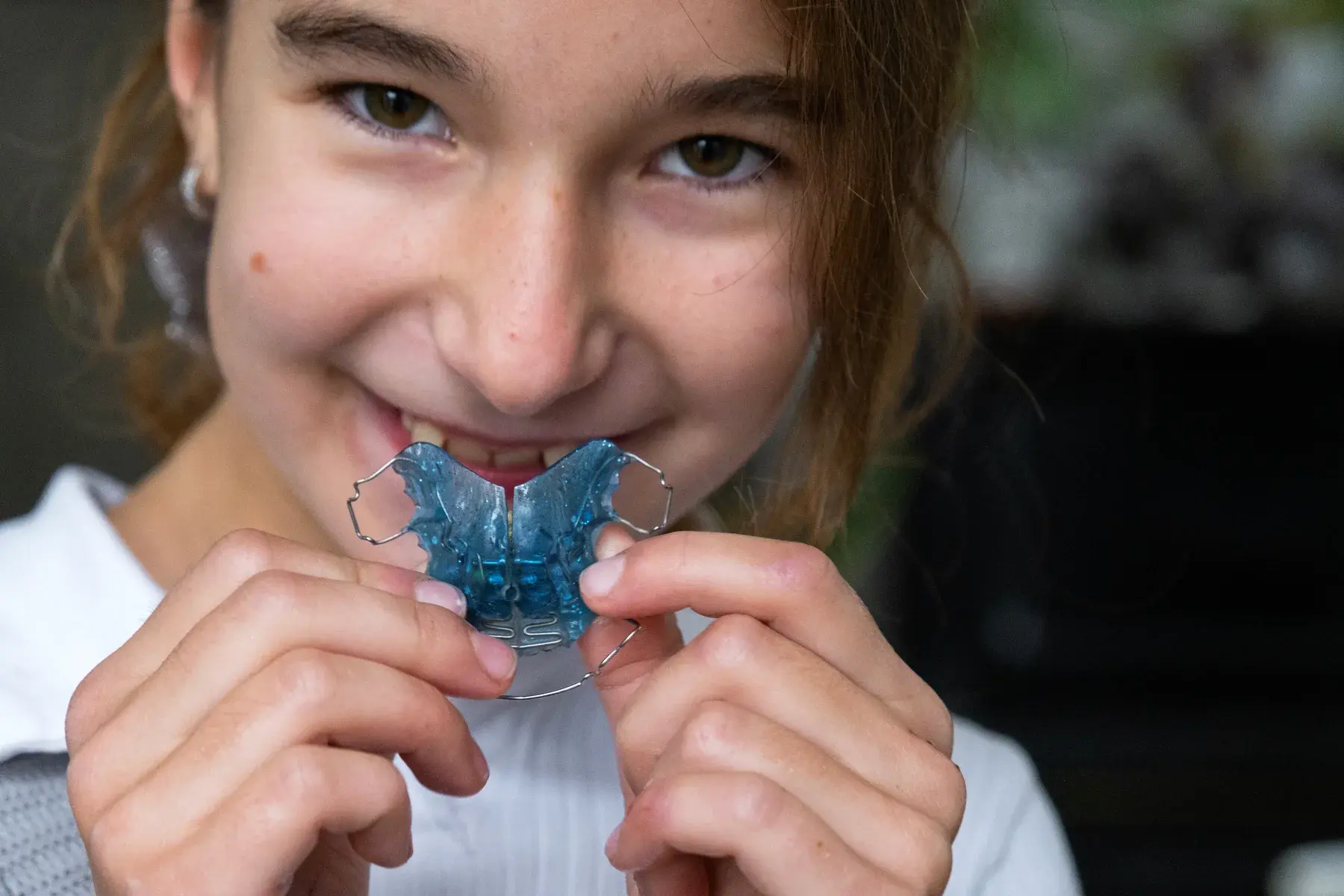
Interceptive orthodontics takes action during a child's growth years to guide jaw development and tooth eruption before problems become serious. At Sycamore Dentistree in Sycamore, IL, early intervention can often reduce or eliminate the need for more extensive orthodontic treatment down the road.
Comprehensive and Gentle Dentistry Under One Roof
Interceptive Orthodontics at Sycamore Dentistree
Children's jaws are still developing through their early teenage years — which means there is a window of opportunity to influence growth in a way that adults simply do not have. Interceptive orthodontics uses this window strategically, addressing issues like overcrowding, crossbites, and harmful oral habits before they create lasting structural problems.
What Interceptive Treatment Can Address
Early evaluation allows us to identify concerns that are much easier and less costly to treat in their early stages.
- Crossbites and Underbites Skeletal bite discrepancies are far easier to correct while the jaw is still growing than after growth is complete.
- Crowding Early guidance can help create space for permanent teeth to erupt properly, sometimes reducing the need for extractions later.
- Thumb Sucking and Oral Habits Extended thumb or finger sucking can affect jaw development. We can address this with appliances and guidance.
- Early or Delayed Tooth Eruption We monitor the timing and position of emerging permanent teeth and intervene when the pattern suggests future problems.
When Should My Child Be Evaluated?
The American Association of Orthodontists recommends an orthodontic evaluation by age 7. At this age, enough permanent teeth have erupted for us to identify potential issues — even if treatment is not needed right away. Early evaluation does not always mean early treatment; it means we know what to watch for.
The Goal: Simpler Treatment Later
The aim of interceptive orthodontics is not to eliminate the need for future orthodontic work, but to make that work simpler, faster, and more effective. Children who receive timely early intervention often require shorter full orthodontic treatment — or none at all.
Interceptive Orthodontics FAQ
- What age should my child start interceptive orthodontics?
- An initial orthodontic evaluation is recommended by age 7. Treatment, if needed, may start anytime from ages 7 to 10 depending on the specific concern being addressed.
- How is interceptive orthodontics different from regular braces?
- Interceptive orthodontics takes place during a child's growth phase to guide development and prevent problems. Traditional braces typically come later and address alignment of the permanent teeth. Interceptive treatment often makes subsequent orthodontic work shorter and simpler.
- What appliances are used in interceptive treatment?
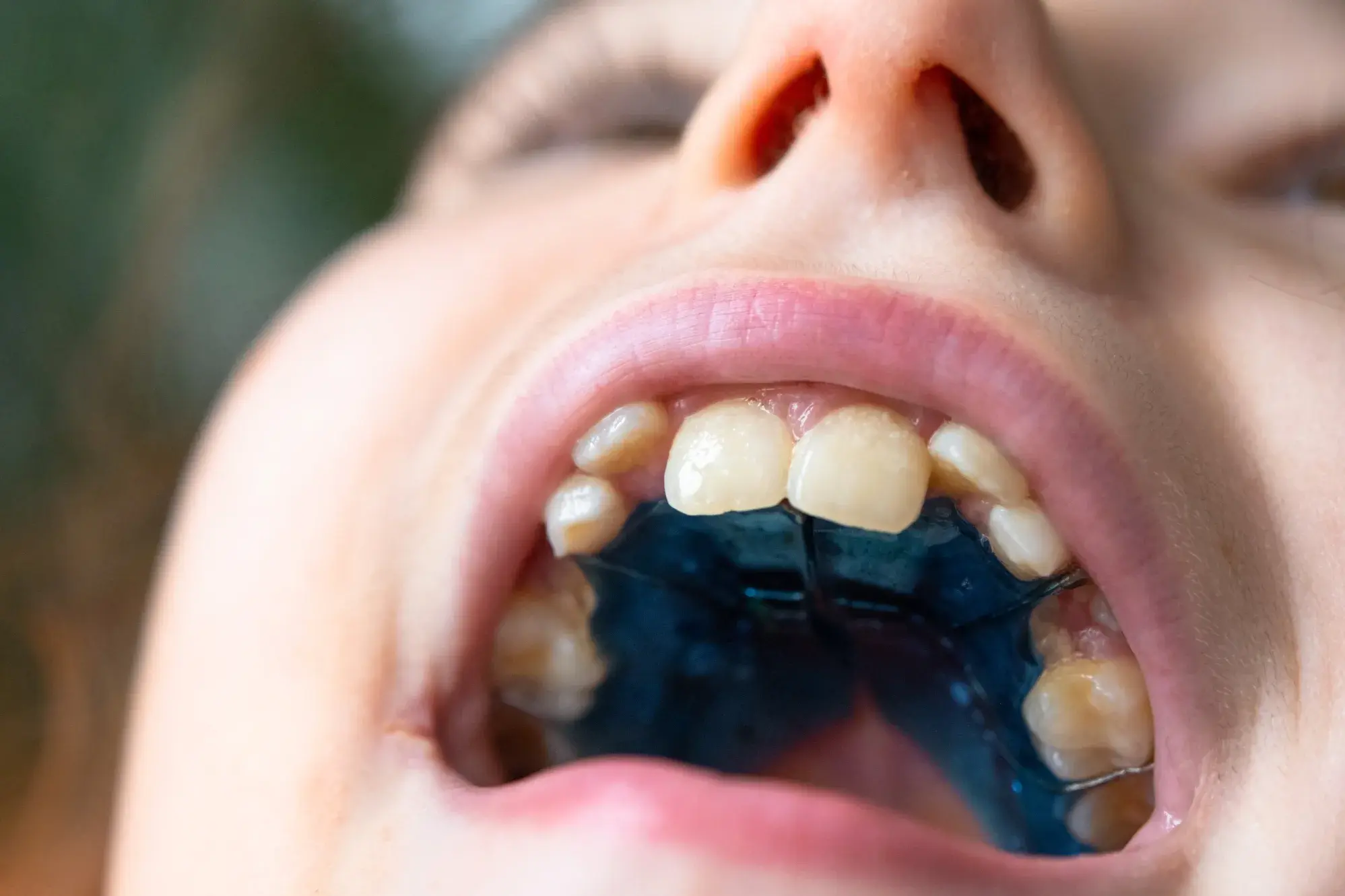
- Common appliances include expanders to widen a narrow arch, habit appliances to discourage thumb sucking, partial braces on key teeth, and space maintainers. We recommend only what is clinically indicated.
- Will my child need braces after interceptive treatment?
- Possibly, but often for a shorter period and with less complexity. The goal is to create the best possible conditions for the permanent teeth, not necessarily to eliminate the need for future orthodontic work entirely.
- Does interceptive orthodontics hurt?
- Most appliances cause minimal discomfort. Children may notice some pressure when an appliance is adjusted, but significant pain is uncommon. We work at a pace that is comfortable for your child.
- How long does interceptive treatment last?
- The active phase typically lasts 6 to 18 months, followed by a period of monitoring before full orthodontic treatment if needed.
- My child has a crossbite — is that an emergency?
- Not an emergency, but it should be addressed during the growth years. Crossbites that are not corrected can contribute to jaw asymmetry, wear on specific teeth, and TMJ problems over time.
- Will a palate expander hurt my child?
- A palate expander creates gradual pressure to widen the upper jaw. Most children adapt within a week or two. There may be a temporary gap between the front teeth during expansion, which closes naturally.
- What if I miss the window for interceptive treatment?
- Orthodontic problems can still be treated after growth is complete, but options may be more limited and treatment more complex. Adult correction of skeletal issues sometimes requires surgical intervention that early treatment can avoid.
- Is interceptive orthodontics covered by insurance?
- Many orthodontic insurance benefits cover interceptive treatment for children. We help you understand your coverage and what portion of treatment will be your responsibility.