

Restorative & Orthodontics
Crowns & Bridges in Sycamore, IL
Restore strength, function, and a natural look to damaged or missing teeth at Sycamore Dentistree.
When a tooth is too damaged for a filling or a gap needs to be closed without implants, crowns and bridges are reliable, time-tested solutions. At Sycamore Dentistree in Sycamore, IL, we craft restorations that fit well, look natural, and are built to handle the demands of everyday life.
Comprehensive and Gentle Dentistry Under One Roof
Dental Crowns & Bridges at Sycamore Dentistree
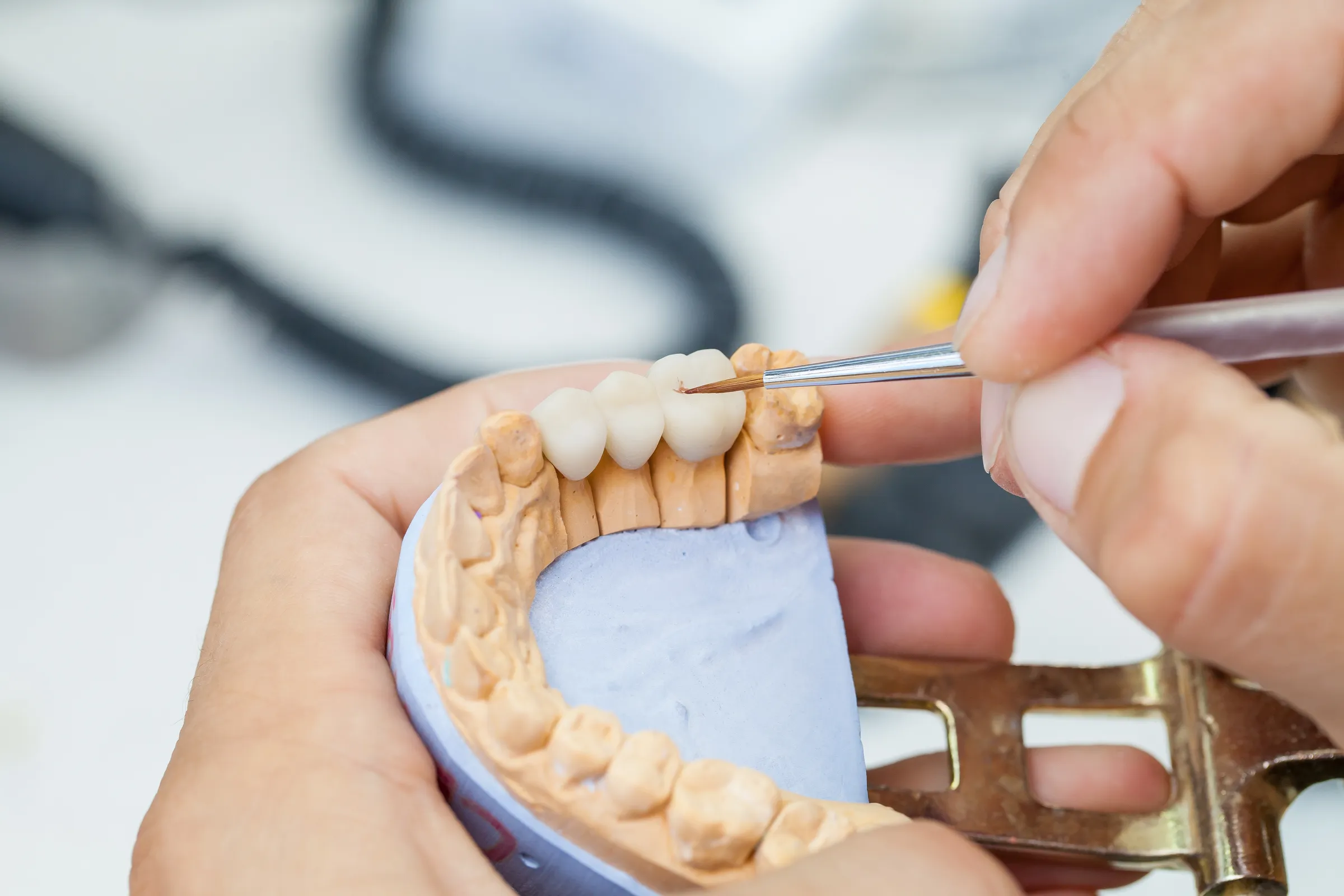
Crowns and bridges have been foundational restorative tools for decades because they work. A crown fully encases a compromised tooth, protecting it from further damage and restoring its shape and function. A bridge spans a gap left by a missing tooth, anchoring to healthy teeth on either side to restore your bite and smile without surgery.
When You Might Need a Crown
Crowns are recommended when a tooth has damage or decay that is too extensive for a filling to reliably address.
- Severely Decayed Teeth When decay has compromised too much of the tooth structure for a filling to hold, a crown protects and rebuilds what remains.
- Cracked or Fractured Teeth A crown holds a cracked tooth together and prevents the fracture from propagating further.
- After a Root Canal Teeth that have had root canal therapy are more brittle and almost always require a crown to protect them long-term.
- Worn Down Teeth Teeth that have been significantly worn by grinding or acid erosion can be rebuilt with crowns to restore proper height and function.
Materials We Use
We offer all-ceramic, zirconia, and porcelain-fused-to-metal options depending on the location of the tooth and your specific needs. For front teeth, we prioritize aesthetics; for back teeth, we prioritize durability. We walk you through the options so you can make an informed decision.
How a Dental Bridge Works
A bridge consists of one or more artificial teeth — called pontics — held in place by crowns on the teeth on either side of the gap. It is a fixed, non-removable restoration that looks and functions similarly to natural teeth. Bridges are a strong option for patients who are not candidates for implants or who prefer a non-surgical solution.
Dental Crowns
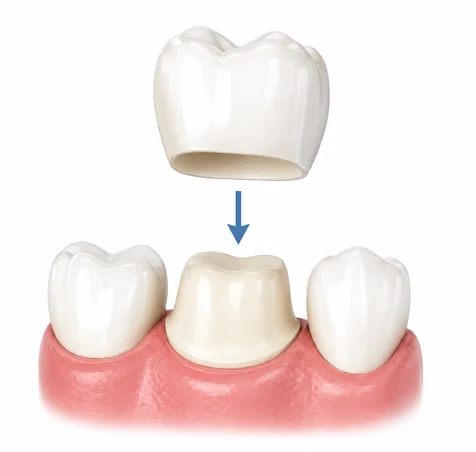
A dental crown is a custom-made cap that fits over a damaged, decayed, or weakened tooth to restore its full shape, strength, and function. Crowns are commonly used after root canal treatment, to protect a cracked tooth, or to anchor a dental bridge. At Sycamore Dentistree, we match the crown material to your clinical needs and personal preferences — prioritizing both longevity and appearance.
All Ceramic Crowns
All ceramic crowns are made entirely from porcelain or zirconia with no metal substructure. They offer the most natural appearance and are an excellent choice for front teeth where aesthetics matter most. They are also ideal for patients with metal sensitivities who need a biocompatible restoration. With modern ceramic materials, all ceramic crowns are durable enough for most clinical situations.
Zirconia Crowns
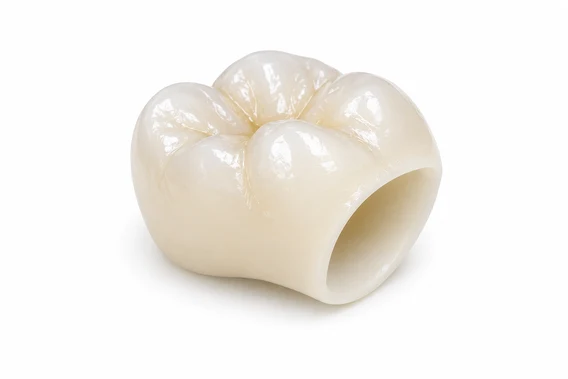
Zirconia crowns combine the strength of metal with a tooth-colored appearance. They are highly resistant to chipping and cracking, making them a top choice for back molars where bite forces are greatest. Modern zirconia can also be made translucent enough to blend naturally with surrounding teeth, giving you both strength and aesthetics in one restoration.
Gold Crowns
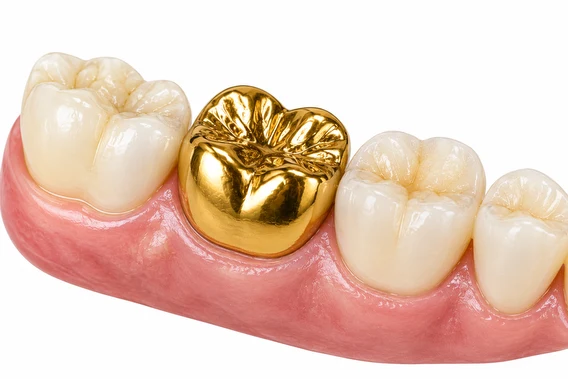
Gold crowns are among the most durable and long-lasting crown options available, with a proven track record spanning decades. They require minimal tooth reduction during preparation and are exceptionally gentle on opposing teeth. Gold is typically recommended for back molars where visibility is low and long-term durability is the priority — particularly for patients who grind heavily.
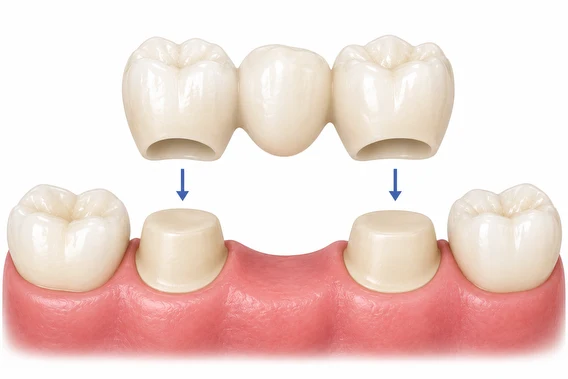
Traditional Bridges
A traditional bridge replaces one or more missing teeth by anchoring a prosthetic tooth — called a pontic — to crowns placed on the natural teeth on either side of the gap. It is a reliable, well-established solution that restores your bite, prevents shifting of surrounding teeth, and looks natural. Traditional bridges are completed in two appointments and do not require surgery.
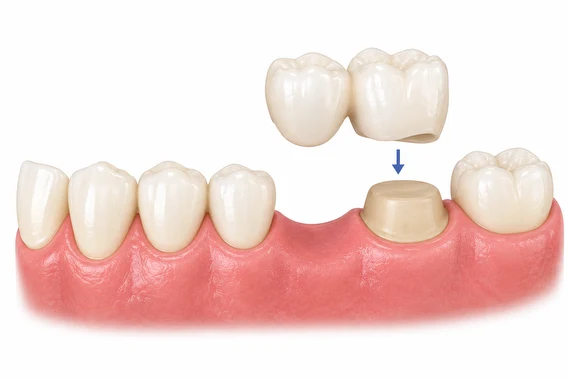
Cantilever Bridges
A cantilever bridge is used when there is only one natural tooth adjacent to the gap, rather than teeth on both sides. The pontic is supported by a single crown on the neighboring tooth rather than two. While less common than traditional bridges, cantilever bridges are a practical solution in the right clinical situation — Dr. Neglia will advise whether this approach is appropriate for your case and what the long-term expectations are.
Crowns & Bridges FAQ
- How long does a dental crown last?
- With good oral hygiene and regular checkups, crowns typically last 10 to 15 years or longer. The longevity depends on the material used and how well you care for them.
- Is getting a crown painful?
- We use local anesthetic during the preparation appointment so you will not feel pain. Some sensitivity is normal in the days following, but it subsides once the permanent crown is placed.
- How many appointments does a crown take?
- Typically two — one to prepare the tooth and place a temporary crown, and one to cement the permanent crown once it is fabricated. We check the fit carefully before final placement.
- What is the difference between a crown and a filling?
- A filling repairs a portion of the tooth; a crown covers the entire visible surface. Crowns are used when there is too much damage for a filling to provide adequate strength and protection.
- Can a crowned tooth still get a cavity?
- The crown itself cannot decay, but decay can develop at the margin where the crown meets the gumline if oral hygiene is not maintained. Regular brushing, flossing, and cleanings remain important.
- How does a bridge stay in place?
- A bridge is anchored by crowns on the teeth on either side of the gap. These teeth are prepared and crowned, and the artificial tooth in the middle is suspended between them. The bridge is cemented permanently.
- Will a crown or bridge look natural?
- Yes. We match the shade and shape to your surrounding teeth. Modern ceramic and zirconia materials are highly lifelike and virtually indistinguishable from natural enamel.
- Is a bridge or an implant better for a missing tooth?
- Implants are generally considered the superior long-term solution because they do not require altering adjacent teeth and help preserve bone. However, bridges are often a good option when implants are not feasible or when a faster, less invasive solution is preferred. We help you weigh the options.
- How do I care for a bridge?
- Floss under the bridge daily using a floss threader or water flosser. Brush normally. We will show you exactly how to keep it clean at your follow-up appointment.
- Does insurance cover crowns and bridges?
- Most dental insurance plans cover crowns and bridges as restorative procedures, typically at 50 to 80 percent after your deductible. We will verify your benefits and give you a clear cost estimate before any work begins.