
Surgical & Specialty
Oral Sedation Dentistry in Sycamore, IL
Relax Completely. We Handle the Rest.
If dental anxiety or a sensitive gag reflex has kept you from the care you need, oral sedation can change everything. At Sycamore Dentistree, Dr. Neglia and Dr. Tolzin use prescription sedation to help you feel calm, comfortable, and at ease — so you can get through treatment without fear and leave with a healthier smile.
Comprehensive and Gentle Dentistry Under One Roof
Oral Sedation at Sycamore Dentistree
Oral sedation involves taking a prescribed medication before your appointment that produces a deep state of calm and relaxation. You remain conscious and able to respond to instructions, but most patients have little to no memory of the procedure afterward. It is a simple, safe, and effective option that makes dental care accessible for patients who would otherwise avoid it.
Who Is Oral Sedation Best For?
We recommend oral sedation for patients across a range of situations — not just those with extreme phobia.
- Dental Anxiety or Phobia For patients who feel significant fear or dread before and during dental appointments.
- Sensitive Gag Reflex Sedation reduces the gag reflex, making treatment far more comfortable for patients who struggle with this.
- Long or Complex Procedures When multiple procedures need to be completed in a single visit, sedation makes a long appointment far easier to get through.
- Difficulty Getting Numb Some patients require more anesthesia than usual. Sedation reduces anxiety and makes local anesthetic more effective.
How Oral Sedation Works
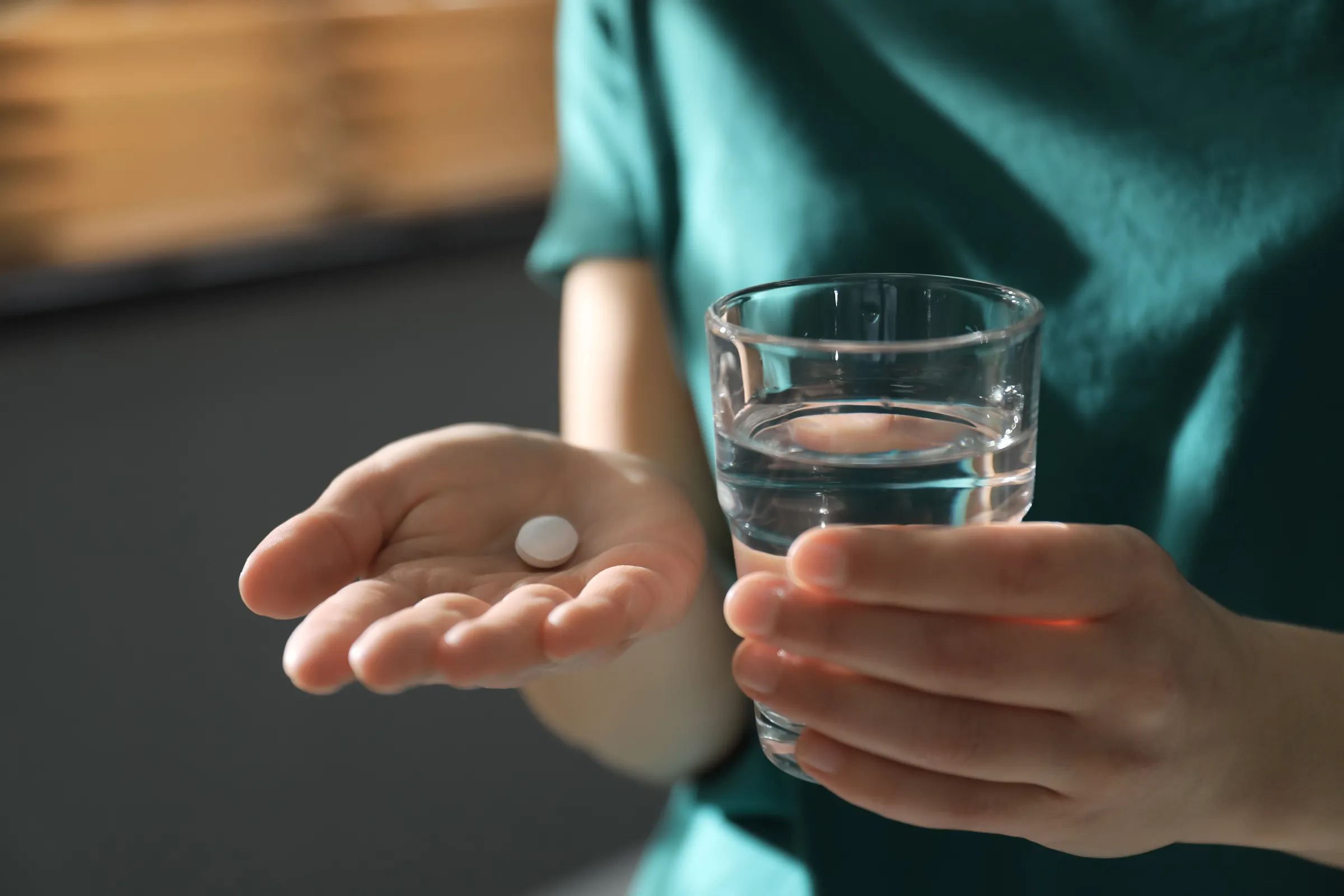
You will take a prescribed pill approximately one hour before your appointment. By the time you arrive, you will feel drowsy and deeply relaxed. You will need a driver to bring you to and from the appointment. We monitor you throughout and ensure you are comfortable before, during, and after treatment.
You Are in Control
Oral sedation does not take away your ability to respond or communicate. You remain aware and can indicate if something is uncomfortable. The goal is simply to reduce anxiety so that treatment feels manageable — because it should.

Oral Sedation FAQ
- Will I be asleep during oral sedation?
- Not fully asleep — oral sedation produces deep relaxation but leaves you conscious and able to respond. Many patients drift in and out and have little memory of the procedure afterward.
- Is oral sedation safe?
- Yes. Oral sedation medications are well-studied and widely used. We review your health history and medications carefully before prescribing to ensure it is appropriate for you.
- Do I need someone to drive me?
- Yes, absolutely. You should not drive or operate machinery for the rest of the day after taking oral sedation. Plan to have a trusted adult bring you to and from your appointment.
- How long will I feel the effects?
- The sedative effects typically last several hours. Most patients feel back to normal by the evening, though we recommend taking the rest of the day off from work or other responsibilities.
- Will I remember my appointment?
- Many patients have partial or no memory of the procedure — which many find to be a benefit. You will still be aware enough to respond during treatment.
- Can I eat before oral sedation?
- We provide specific pre-sedation instructions based on the medication prescribed. Generally, we recommend a light meal a few hours before and nothing heavy immediately prior. Follow our instructions carefully.
- Is oral sedation available for children?
- We evaluate this on a case-by-case basis. For younger or highly anxious children, we discuss all available options including nitrous oxide. Contact us and we will help determine the best approach for your child.
- What is the difference between oral sedation and nitrous oxide?
- Nitrous oxide (laughing gas) wears off within minutes and allows you to drive yourself home. Oral sedation produces deeper, longer-lasting relaxation but requires a driver. The right choice depends on your level of anxiety and the procedure being done.
- How far in advance do I need to schedule sedation?
- We need time to review your health history and write a prescription before your appointment. We typically ask patients to contact us at least a few days in advance. Same-day sedation is generally not possible.
- What if I have dental anxiety but do not want sedation?
- We have other ways to help — including taking frequent breaks, explaining every step before we do it, and using distraction techniques. Tell us about your anxiety and we will work together to find an approach that makes you comfortable.