
Oral Health During Pregnancy: Why It’s Important and How to Maintain It
October 27, 2021
Effects of Dental Problems During Pregnancy
During pregnancy, the levels of estrogen and progesterone hormones in your body increase. This can cause the gums to become more susceptible to bacteria, resulting in gum inflammation and sensitivity. This condition is known as “pregnancy gingivitis.” If left untreated, gingivitis can develop into advanced periodontal disease, which can lead to loose teeth and, ultimately, extractions. Hormonal changes during pregnancy can also result in pregnancy tumors, which are benign, excess deposits of tissue on the gums.
Morning sickness is a common side effect of pregnancy that can also impact your oral health. The effects of morning sicknesses can expose your teeth to stomach acid, which can wash off your enamel—the layer that protects your teeth.
Gum sensitivity or nausea can make it more difficult to properly brush your teeth, causing excess plaque buildup and increasing your risk of dental health issues. If you have cavities during pregnancy, you can transfer the bacteria to the child, increasing the risk of health problems in the future. Severe dental problems have also been liked to premature births, with babies facing a risk of brain damage and problems with eyesight and hearing. Therefore, there is a need to be extremely careful with your oral health during pregnancy.
How to Care for Your Oral Health During Pregnancy
- Visit your dentist regularly: It is essential to inform your dentist once you discover that you’re pregnant, so they can advise you on how to best care for your oral health. You should schedule routine visits every six months for professional cleaning and early diagnosis of any dental health issues.
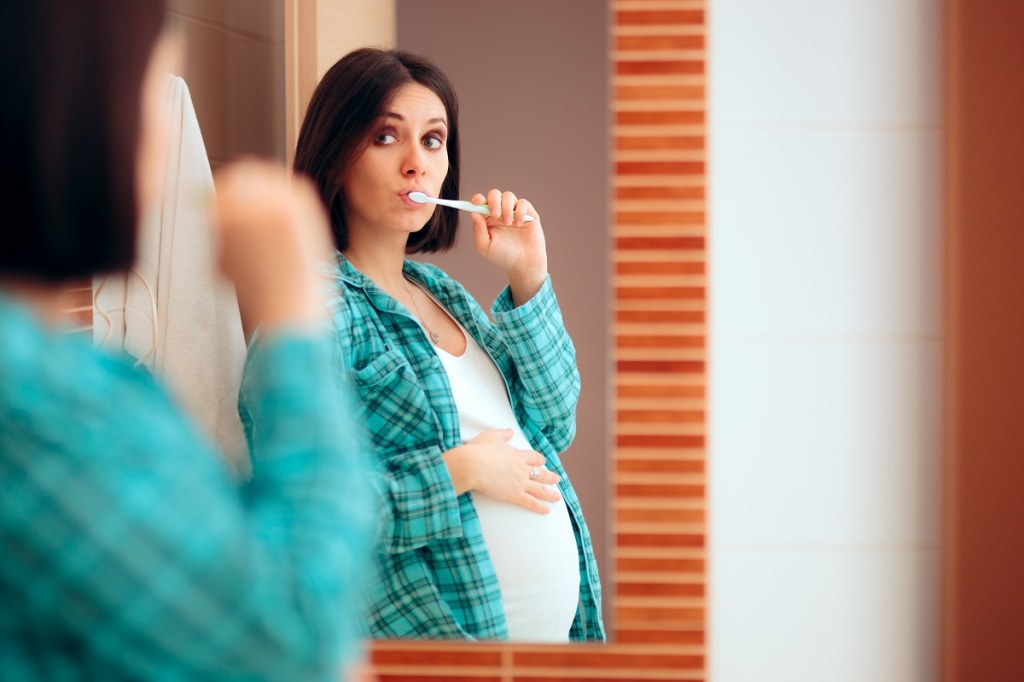
- Brush your teeth: Floss at least once and brush twice a day using a fluoride toothpaste recommended by your dentist. If you are experiencing morning sickness, avoid brushing at least one hour after an episode to minimize the impact of stomach acid. Your enamel is already compromised during this time, and brushing immediately can cause more harm. To prevent nausea while brushing your teeth, do it slowly and shift your focus from the activity with something soothing, such as listening to music.
- Take care of your nutrition: To ensure that both you and your baby have stronger, healthier teeth, eat a balanced diet rich in phosphorus, calcium, protein, and vitamins A, C, and D. Avoid snacking on foods that are high in sugar. Instead, choose healthy snacks like fruit, vegetables, or unsweetened yogurt, and clean your teeth afterward. Remember to drink enough water throughout the day. You can also get folic acid from foods such as legumes, oranges, strawberries, bananas, broccoli, and leafy green vegetables.
- Rinse your mouth with baking soda: If you are experiencing morning sickness, mix baking soda and water and rinse your mouth to prevent enamel corrosion from stomach acid.
Final Thoughts
Your baby’s teeth start developing as early as three months into your pregnancy. By practicing good oral hygiene habits throughout your pregnancy, you can protect the dental health of both you and your child.