

The Importance of Jawbone Density in Oral Surgery Planning
February 18, 2026
What Jawbone Density Means
Jawbone density refers to the strength, thickness, and overall quality of the bone that supports your teeth. This bone is constantly changing throughout your life. It responds to pressure from chewing and biting, and it can weaken over time if those forces are reduced. Tooth loss, gum disease, trauma, and aging can all contribute to bone loss in the jaw.
When bone density decreases, the jaw may no longer provide enough support for certain procedures. This is especially important in oral surgery, where stability and healing depend heavily on the surrounding bone structure.
Why Bone Density Matters in Surgical Planning
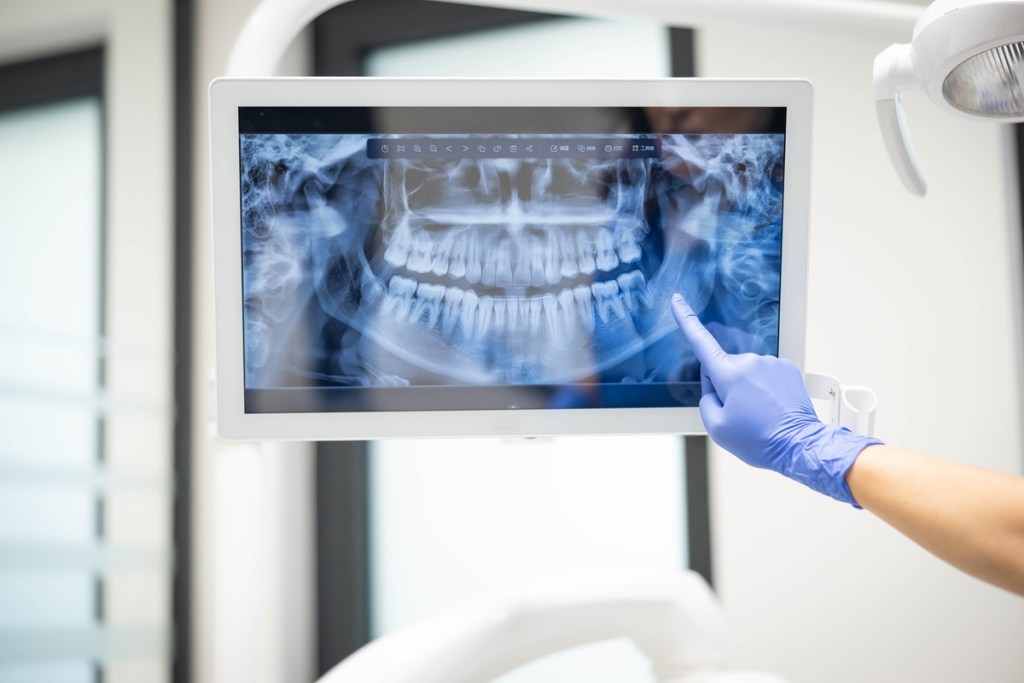
Before performing oral surgery, your dentist or oral surgeon evaluates your jawbone using imaging such as x-rays or cone beam scans. These images help determine whether your bone can support the procedure being considered. Adequate density allows for better fixation, predictable healing, and lower risk of complications.
Jawbone density is particularly important for procedures such as dental implants, tooth extractions, and reconstructive surgeries. For example, dental implants rely on the bone to fuse securely with the implant surface. If the bone is too thin or weak, the implant may fail to integrate properly.
Low bone density can also increase the risk of fractures during surgery or slow the healing process afterward. By assessing bone quality ahead of time, your provider can modify the treatment plan to improve outcomes.
Common Situations Where Bone Density Is a Factor
Jawbone density is carefully evaluated in several common oral surgery scenarios, including:
- Dental implant placement
- Bone grafting procedures
- Wisdom tooth extractions near sensitive structures
- Corrective jaw surgery
- Treatment following long-term tooth loss
In cases where bone density is insufficient, your provider may recommend preparatory procedures. Bone grafting is one common solution that adds volume and strength to the jaw before surgery. While this adds time to the treatment process, it often improves long-term success.
Planning for Safer, More Predictable Results
Jawbone density influences nearly every aspect of oral surgery planning, from the type of procedure recommended to the expected healing timeline. By evaluating bone quality in advance, your dental team can create a personalized treatment plan that prioritizes safety and long-term success.
If oral surgery is part of your care plan, understanding the role of jawbone density empowers you to ask informed questions and feel confident in your treatment decisions. Proper planning leads to better outcomes and a healthier foundation for your smile.